About Blessed Sacrament Chapel Our Identity & Mission

The Blessed Sacrament Chapel is a center of prayer, adoration, and reconciliation located in the heart of Dublin. As part of the Congregation of the Blessed Sacrament (SSS), we are an apostolic religious community dedicated to living the Eucharistic Mystery to its fullest and making its significance clear to the world.

Our mission is to respond to the “hungers” of humanity, not only physical hunger but the hunger for God, meaning, and acceptance, by offering the riches of God’s love evident in the Eucharist. We strive to:

  • Be a Prophetic Witness: To build Christian communities where the center of life is the Eucharist.
  • Provide an Oasis of Peace: To offer a sanctuary of silence and welcome amidst the noise of the modern city.
  • Foster Reconciliation: To serve as a place for spiritual guidance and sacramental reconciliation.
A Rich History

The Chapel’s presence in Dublin is marked by two significant locations:

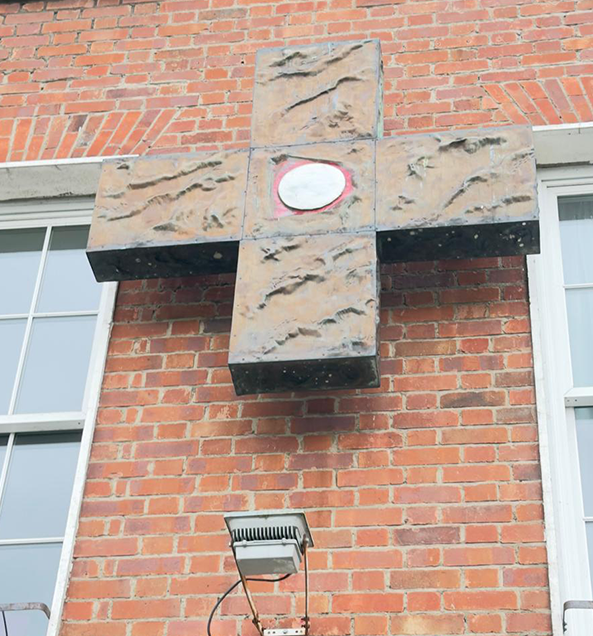
  • Bachelors Walk: The site of our current Chapel was originally constructed in 1674. It holds deep historical importance as the location where the first shots of Ireland’s struggle for independence were fired in July 1914.
  • D’Olier Street: Our previous home (opened January 6, 1970) was formerly the famous Red Bank Restaurant, a favorite haunt of literary legends like James Joyce, George Bernard Shaw, and Sean O’Casey.

Architecture & Symbolism

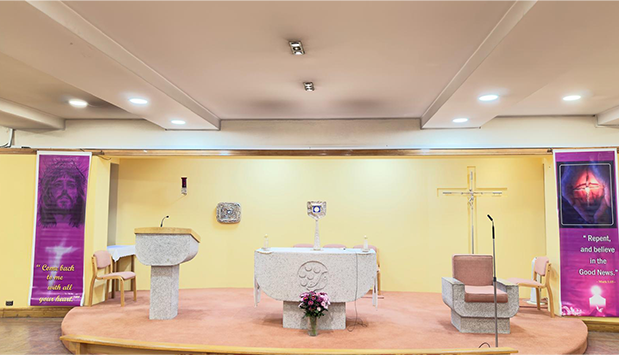
Designed by architect Paul Clinton, the Chapel is crafted to create an atmosphere of celebration and adoration. The design is intentionally simple so that every eye is drawn toward the central features:

  • The Altar: Sculpted by Eamon O’Doherty, its centrality is emphasized by semi-circular seating that gathers the community as one.
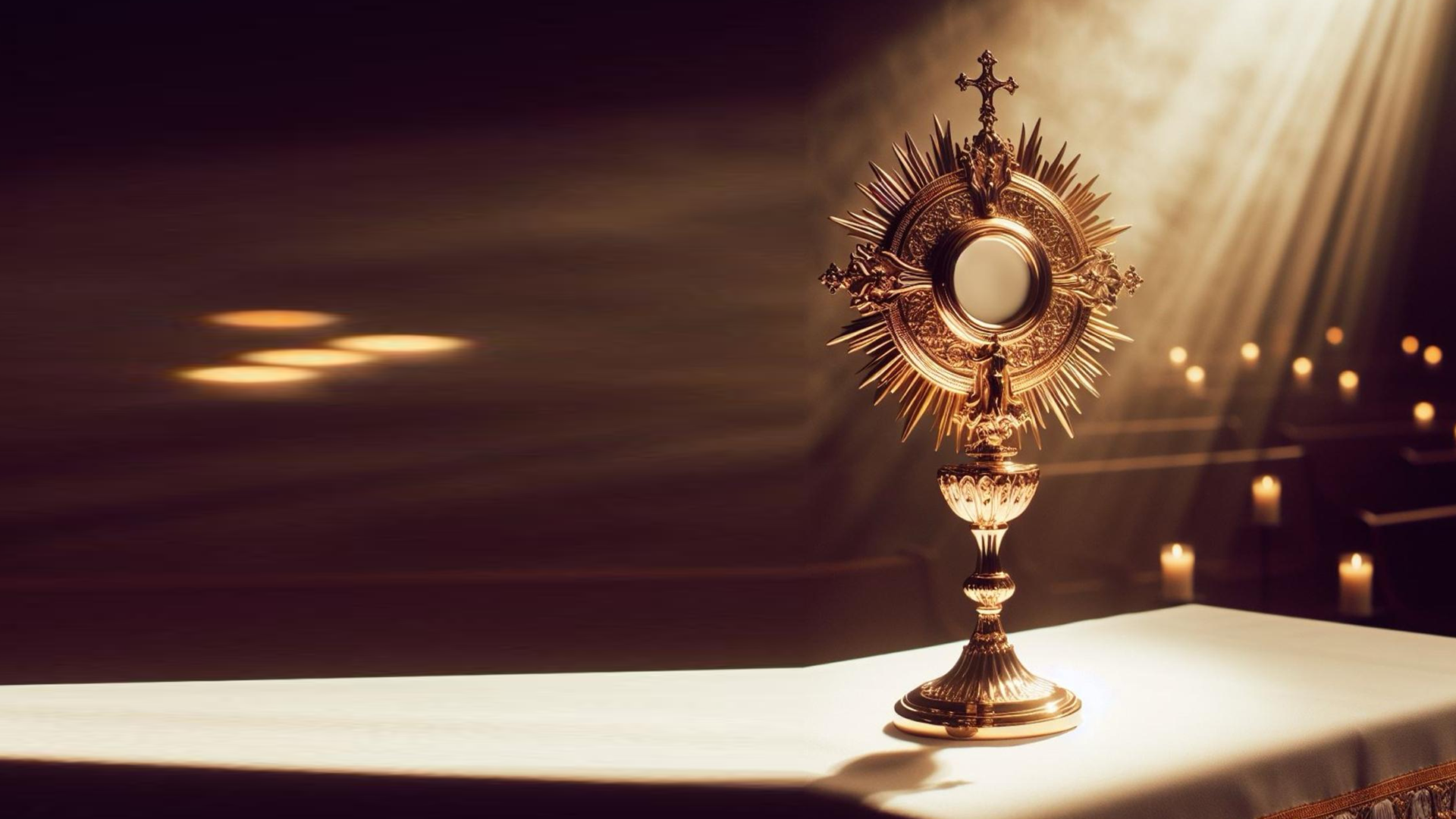
  • The Monstrance: Designed by Richard Enda King, it symbolizes the dynamic, transforming power of the Eucharist. Its uneven silver-plated surface reflects the “tension for grace” at work in humanity.
  • Stained Glass: Created by George Walsh, the windows depict the gathering of people. The use of yellow light breaking through blue suggests hope in the midst of darkness, while water symbols represent the renewing waters of Baptism.

Our Founder: St. Peter Julian Eymard

The Congregation was founded in 1856 in Paris by Saint Pierre-Julien Eymard (1811–1868), known as the “Apostle of the Eucharist”. St. Eymard discovered the Eucharist as the ultimate answer to the needs of his time and dedicated his life to making Christ in the Eucharist better known and loved. He was canonized by Pope John XXIII in 1962.

Global Presence & Community

Today, the Congregation of the Blessed Sacrament is present in 29 countries across 5 continents. We work in close collaboration with:

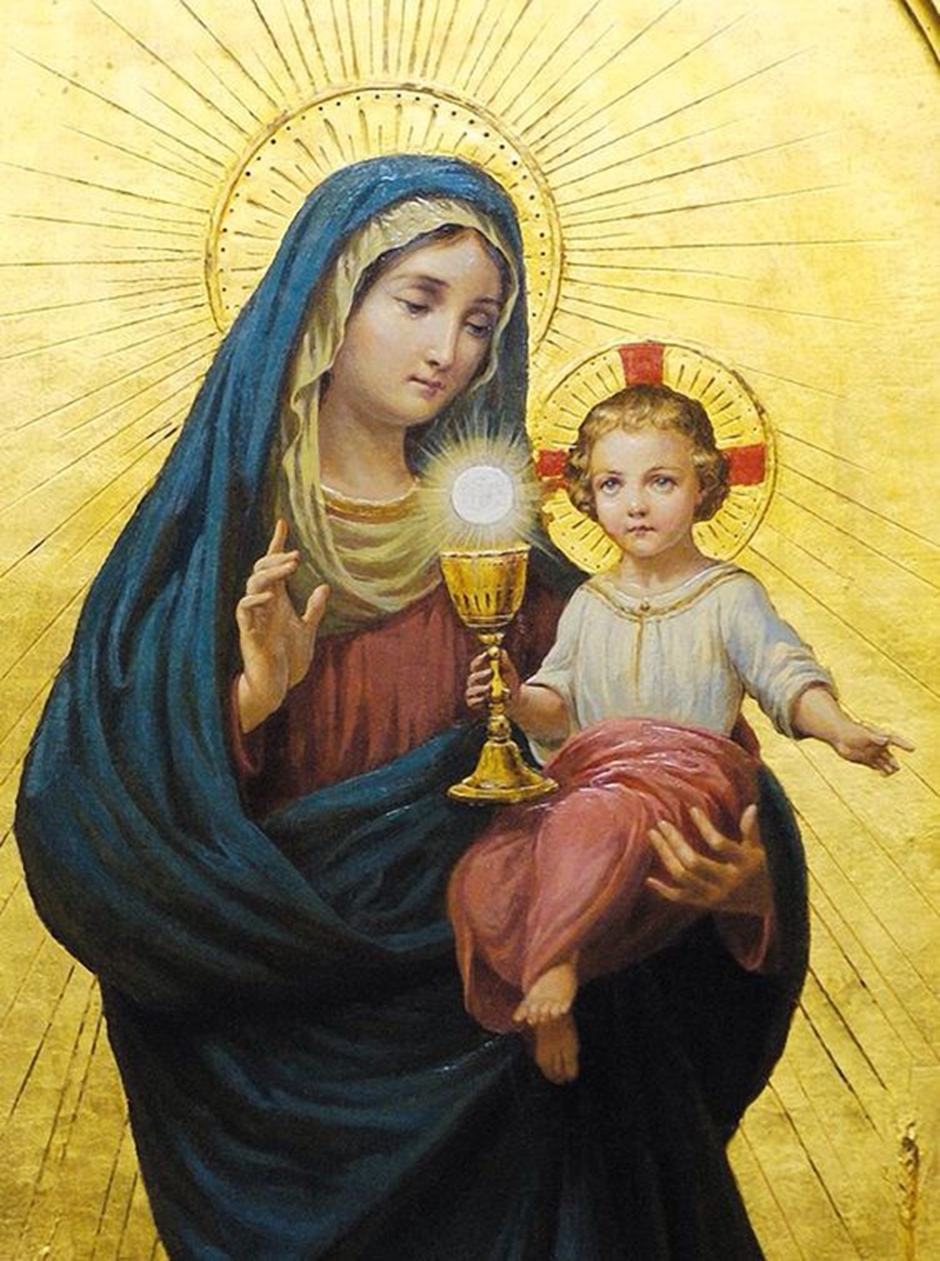
Our Lady of the Blessed Sacrament

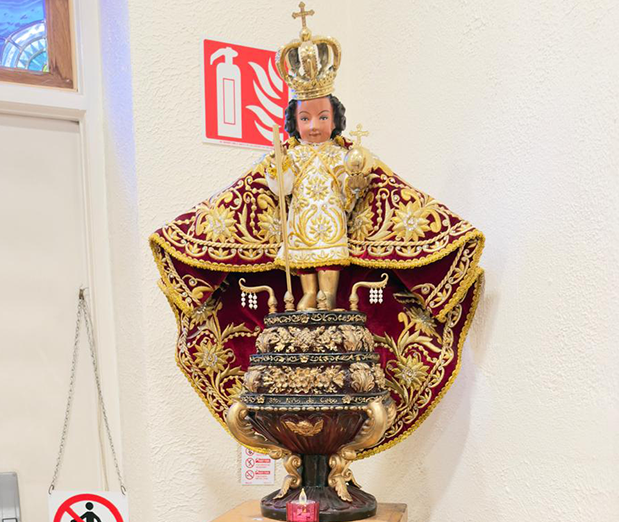
The title Our Lady of the Most Blessed Sacrament was first given to Mary in May 1868 by Saint Peter Julian Eymard while speaking to his novices. He later described an image of Mary holding the Child Jesus, who carries a chalice and a Host, symbolizing her intimate connection with the Eucharist. He encouraged the faithful to pray, “Our Lady of the Blessed Sacrament, pray for us who have recourse to thee.” In time, the Church officially recognized this title, especially among the spiritual sons and daughters of St. Eymard.

This title emphasizes Mary’s profound relationship with the Eucharist. She is called the first tabernacle because she carried Jesus physically in her womb and spiritually in her heart. Through her humility, obedience, purity, and complete trust in God’s will, she became the dwelling place of Christ and the perfect model of Eucharistic faith.

Mary teaches us to trust God even when we do not fully understand His plan, to praise Him always, and to share Jesus with others through love and service. Christians are invited to become living tabernacles by cultivating virtues such as love, mercy, forgiveness, sincerity, and humility, while guarding their hearts against pride, hatred, jealousy, and other unchristian attitudes.

Especially in times of fear and sickness, devotion to Our Lady of the Blessed Sacrament invites us to seek Christ’s mercy and healing through the Eucharist. Just as Mary offered Jesus to the world, we are called to welcome Him into our lives and trust in His Eucharistic power to renew and heal us.

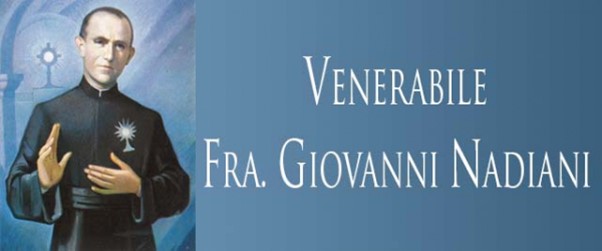
The Venerable Giovanni Nadiani, Blessed Sacrament Brother

Giovanni Nadiani was born on 20 February 1885 in Santa Maria Nuova, Cesena, Italy. Raised in faith by his mothers despite his father’s lack of religious practice, he was devout from childhood. After briefly studying in the seminary, financial difficulties forced him to leave.

In 1907, while praying before the Eucharist in Rome, he felt called to religious life and joined the Congregation of the Blessed Sacrament, founded by Saint Peter Julian Eymard. He chose to become a religious Brother and lived a life deeply centered on Eucharistic adoration, humility, and service.

He served faithfully in community roles such as sacristan, porter, and infirmarian, showing special kindness to the sick. Known for his devotion to doing the Will of God, he offered even his final sufferings from cancer in union with Christ. He died on 6 January 1940 and is remembered as a model of Eucharistic spirituality and humble religious life.

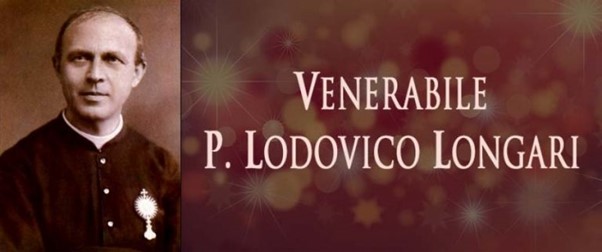
Venerable Father Lodovico Longari, Blessed Sacrament Priest

Fr. Lodovico Longari was born in 1889 in Mondine (Cremona), Italy, into a deeply Christian family. He entered the seminary at the age of twelve and was ordained a priest in 1912. After encountering the spirituality of Saint Peter Julian Eymard, he joined the Congregation of the Blessed Sacrament.

During World War I, he served at the front as a soldier in a medical corps. After the war, he made his religious profession in 1920 and dedicated himself to the formation of young religious. He later became Provincial and, in 1937, Superior General of the Congregation, guiding it with wisdom, kindness, and strong Eucharistic devotion.

Fr. Longari’s life was deeply centered on the Eucharist, which he saw as the source of love, joy, and strength. He preached extensively, especially to priests, encouraging them to make the Eucharist the heart of their ministry. Known for his fatherly spirit, humility, and joy, he worked to expand the Congregation internationally.

After years of leadership and service, he returned to formation work and died on 17 June 1963. Remembered as a man of the Church and a joyful apostle of the Eucharist, he left a lasting spiritual legacy rooted in love and faithful devotion.